#Antibiotic Resistance
AI Beats Resistance
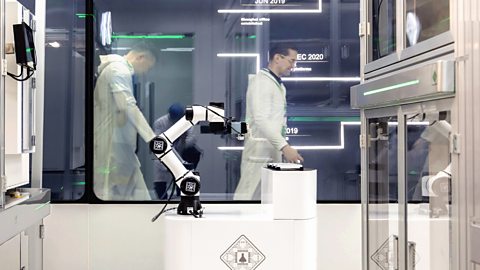
The global fight against antibiotic-resistant bacteria is intensifying, with 1.1 million deaths annually expected to rise without intervention. Traditional antibiotic development is slow and expensive, hampered by limited company interest and underfunding. Researchers are now leveraging artificial intelligence (AI) to accelerate drug discovery, identifying potential antibacterial compounds within days using massive chemical libraries. AI models, like those developed at MIT and McGill University, are being used to target specific bacterial mechanisms, such as misfolded proteins in Parkinson's disease, and to repurpose existing drugs for conditions like Castleman's disease and Idiopathic Pulmonary Fibrosis (IPF). Companies like Insilico Medicine are utilizing AI to design novel drug candidates, and while challenges remain regarding data accessibility and the complexity of the drug development process, AI’s potential to revolutionize medicine and combat antibiotic resistance is increasingly recognized.
0 коментара
Остави коментар


Scroll to Top