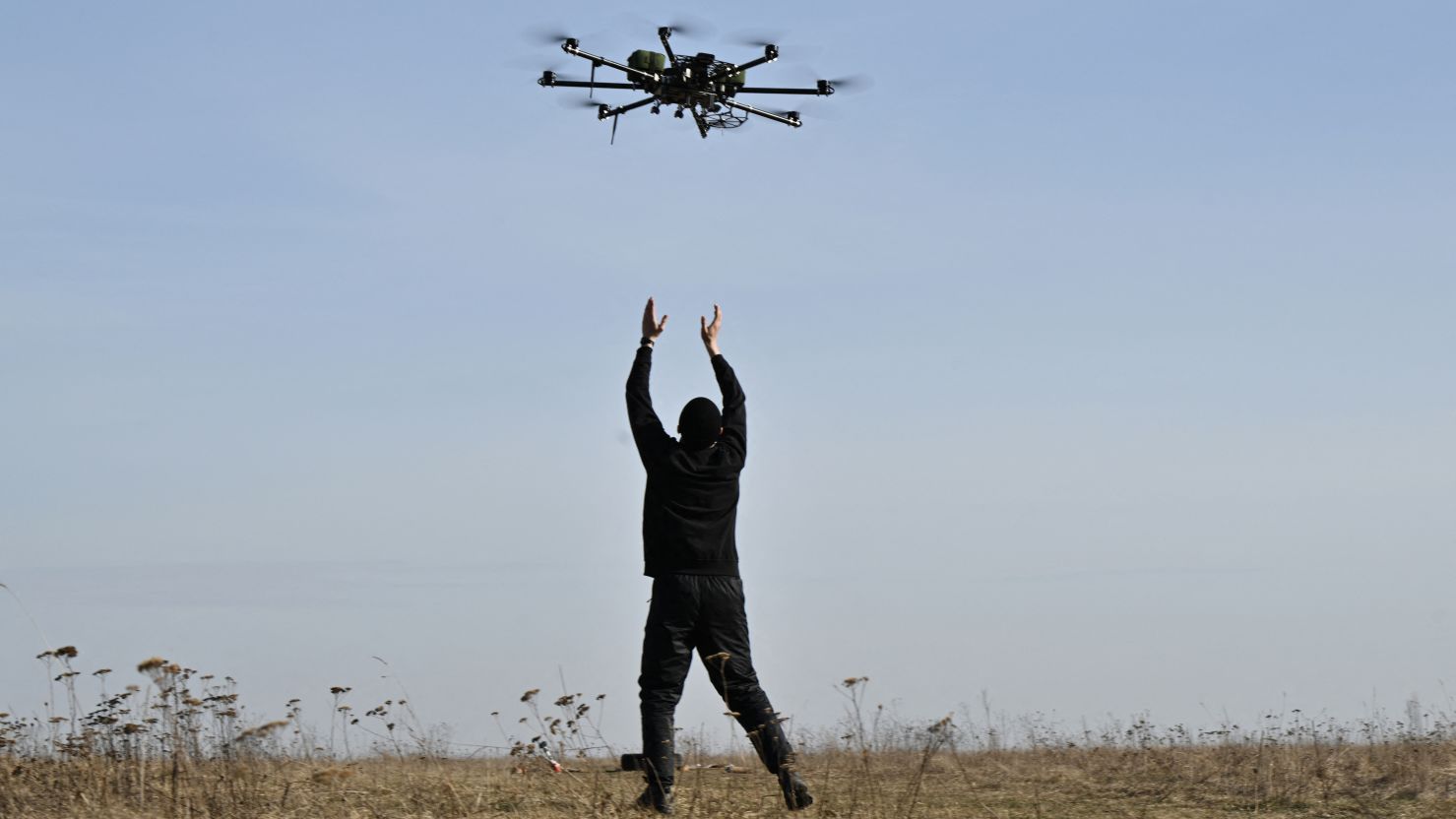
#Дронове Война
Дронове във Войната (Drone във Voinata)
Okay, here’s a breakdown of the key information and themes presented in the provided text, organized for clarity:
**1. The Rise of Drone Warfare & Asymmetry**
* **Proliferation of Drones:** Drones are becoming increasingly prevalent in modern warfare, driven by advancements in technology and decreasing costs.
* **Asymmetric Warfare:** Drones are particularly effective in asymmetric conflicts – where one side (often a smaller, less powerful force) can level the playing field against a more technologically advanced adversary.
* **Accessibility of Conflict:** Drone technology is making conflict more accessible, meaning smaller groups can now engage in prolonged, destabilizing conflicts.
**2. Key Conflicts & Their Dynamics**
* **Ukraine War:** The conflict in Ukraine is a prime example of drone warfare's impact. Drones were used by Ukrainian rebels to disrupt Russian operations, particularly targeting strategic bombers. However, the operation didn't fundamentally shift the strategic balance of power.
* **Myanmar War:** The conflict in Myanmar demonstrates how drones can be used to prolong wars and create stalemates, even when the larger, more powerful forces are involved.
* **“Forever Wars”:** The text suggests that drone warfare is contributing to a trend of “forever wars” – conflicts that are difficult to resolve and can drag on for extended periods.
**3. Technological Trends & Concerns**
* **AI & Automation:** The increasing use of artificial intelligence in drones is further accelerating the pace of warfare and raising concerns about autonomous weapons systems.
* **Focus on Micro-Engagements:** Drones are primarily effective in “micro-engagements” – small, localized actions rather than large-scale battles.
* **Technological Arms Race:** There’s a growing technological arms race, with countries investing heavily in drone development and counter-drone systems.
**4. Strategic Implications & Warnings**
* **Over-Reliance on Technology:** The text cautions against over-emphasizing drones and AI as solutions to conflict. It argues that strategic thinking and operational adjustments are equally important.
* **Radakin’s Warning:** Admiral Tony Radakin warns against becoming “drone-tastic,” emphasizing the need to maintain a broader strategic perspective.
* **The Importance of Ground Control:** The text stresses that drones can't control territory and that traditional military assets like submarines, jets, and armored vehicles remain crucial.
* **Prolonged Conflict:** Technology is making conflict more accessible and more asymmetric, it argues, and prolonging the chaos.
**5. Geopolitical Landscape**
* **China’s Dominance:** China is emerging as a leader in drone technology, particularly in the area of counter-drone systems.
* **US Lag:** The US is currently lagging behind in drone development and deployment, raising concerns about its strategic advantage.
**In essence, the text paints a picture of a rapidly evolving warfare landscape dominated by drones, with significant strategic implications and potential risks.** It highlights the importance of a balanced approach, combining technological innovation with sound strategic thinking.
---
Would you like me to:
* Summarize a specific section in more detail?
* Focus on a particular aspect (e.g., the role of AI, the geopolitical implications)?
* Answer a specific question based on the text?
0 коментара
Остави коментар



Scroll to Top