#Data Storage
Кристални Памети (Kristalni Pameti)
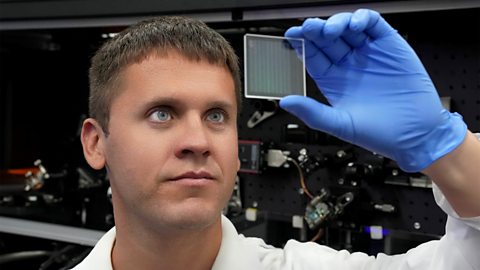
This article details a potential solution to the growing problem of data storage – using tiny, light-based “whirlpools” etched into glass. Researcher Peter Kazansky’s work, begun in 1999 at Kyoto University, involves creating microscopic holes in silica glass using femtosecond lasers, which can store data in five dimensions. These “memory crystals” offer the potential for virtually eternal storage, requiring no power to maintain data once written. However, challenges remain, including the current high cost and limited read/write speeds of the technology. Alternative solutions, such as DNA storage (explored by Microsoft), are also being investigated, with DNA offering potentially immense storage density and durability. Microsoft’s recent success with storing data in borosilicate glass adds another layer to this exploration. While these technologies present promising avenues, concerns remain about their compatibility with existing infrastructure and the need for improved energy efficiency across the entire data storage ecosystem, including optimizing algorithms and cooling systems.
0 коментара
Остави коментар

Scroll to Top