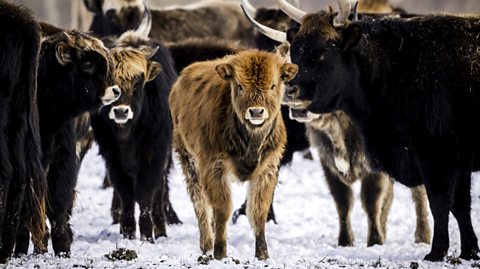
#natural experiment
Ооствардърсплас (Oostvaardersplassen)
Okay, here's a breakdown of the key information and themes presented in the text, organized for clarity:
**1. The Oostvaardersplassen: A Controversial Experiment**
* **What it is:** A 15,000-hectare wetland area in the Flevoland region of the Netherlands, created by draining former lakebeds. It was designed as a “natural” landscape, primarily managed through the introduction of large herbivores – horses, cattle, and pigs – to shape the vegetation.
* **The Initial Goal:** To create a dynamic, “natural” landscape, mimicking processes found in wild ecosystems. The idea was to allow natural fluctuations in population size to drive vegetation changes.
* **The Controversy:** The project became infamous in 2018 when 18 horses died of starvation during a harsh winter. This sparked widespread public outrage, highlighting the ethical and practical challenges of managing natural systems.
**2. Key Elements of the Management Approach (and its Problems)**
* **Large Herbivore Populations:** The core of the project involved allowing populations of horses, cattle, and pigs to fluctuate naturally.
* **Lack of Predators:** The absence of predators (like wolves) was a significant factor in the winter deaths. Without predators to control herbivore numbers, populations could grow too large, leading to starvation.
* **Fixed Population Caps:** Following the 2018 deaths, the project shifted to a system of fixed population caps (currently 1,500 animals annually) to prevent future starvation events. This, however, is seen by some as an unnatural intervention.
* **Dynamic Management:** The project now includes a system of actively managing the landscape, including lowering water levels to encourage vegetation growth and planting trees.
**3. The Influence of Charlie Burrell and the Knepp Estate**
* **Inspired by Vera’s Vision:** The text highlights the influence of Vera’s work on the Oostvaardersplassen, particularly his radical idea of allowing natural fluctuations in herbivore populations.
* **Knepp Estate as a Model:** The Knepp Estate in the UK, co-founded by Charlie Burrell and his wife, took a similar approach, introducing grazing animals to drive new habitats.
* **Different Management Style:** Knepp Estate differs by actively managing the landscape and selling the meat produced by the animals, offering a more sustainable and accepted approach.
**4. Key Debates and Perspectives**
* **Natural vs. Managed:** The core debate revolves around the tension between allowing natural processes to shape the landscape and actively managing it.
* **The Role of Fixed Populations:** The use of fixed population caps is seen by some as an unnatural intervention, while others argue it’s a necessary measure to prevent suffering.
* **The Importance of Predators:** The lack of predators is consistently cited as a critical factor in the Oostvaardersplassen’s problems.
* **Learning from the Oostvaardersplassen:** The project has spurred a broader discussion about rewilding, conservation, and the ethical considerations of managing natural systems.
**5. Broader Implications and Lessons Learned**
* **A Paradigm Shift:** Vera’s work helped shift the perspective on conservation, moving away from the idea of “curing” nature to recognizing it as a dynamic force.
* **The Value of Experimentation:** The Oostvaardersplassen, despite its controversies, has provided valuable lessons for rewilding projects around the world.
* **The Importance of Public Engagement:** The project highlighted the importance of public understanding and acceptance of conservation strategies.
Do you want me to:
* Focus on a specific aspect of the text (e.g., the role of predators, the debate over fixed populations)?
* Summarize a particular section of the text?
* Answer a specific question about the information presented?
0 коментара
Остави коментар


Scroll to Top