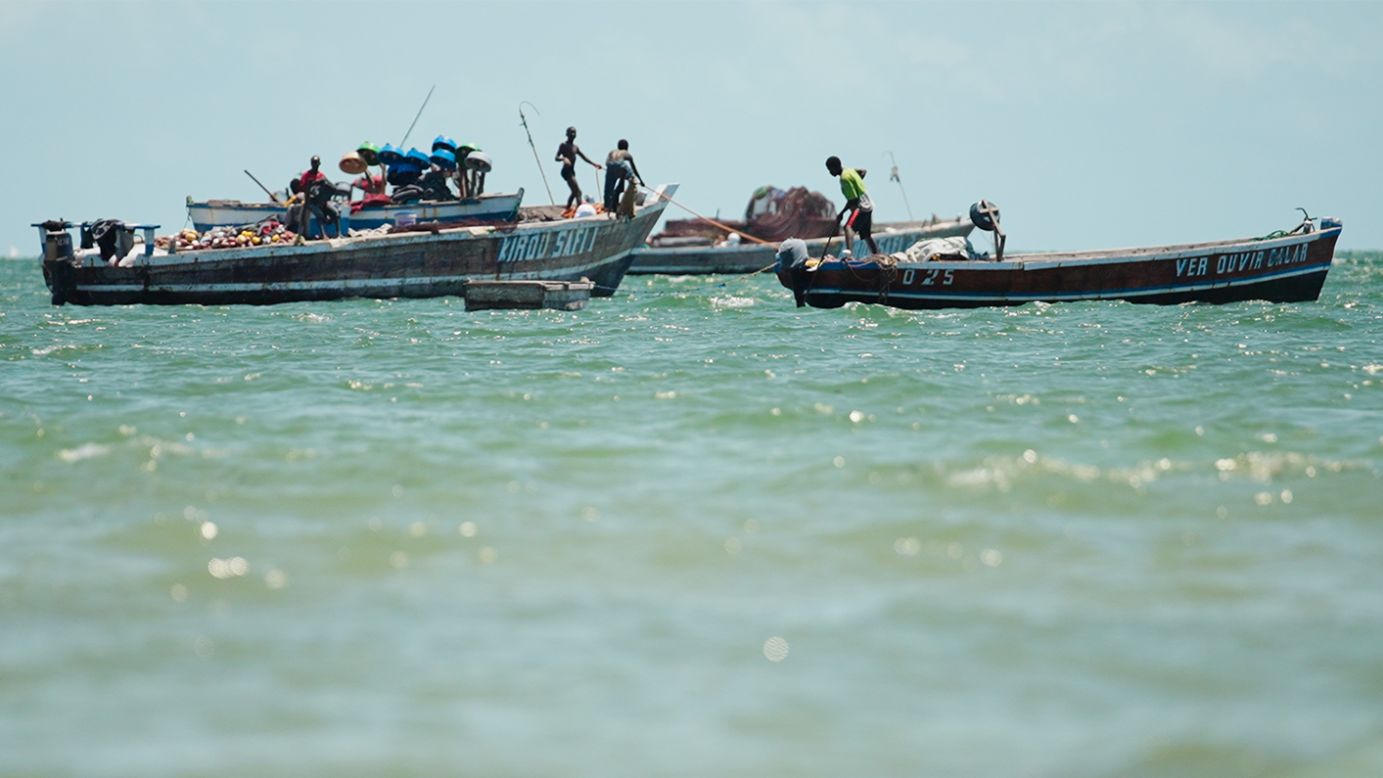
#Нарастване на насилие
Mozambique Conflict
The recent surge in violence in northern Mozambique, particularly around Mocimboa da Praia, is linked to the abrupt withdrawal of US assistance, primarily through USAID, in January. This cut-off, initiated by President Trump’s executive order, significantly reduced humanitarian aid, development programs, and support for combating extremism. The USAID shutdown coincided with a resurgence of ISIS activity, emboldened by the weakened security environment. The militants, led by figures who had previously operated independently, exploited the vacuum created by the aid reduction, staging a dramatic offensive in October, including beheadings and the seizure of the town. Locals, initially wary, filmed the events, highlighting the group’s confidence and the lack of immediate response. Eight years of conflict, fueled by extreme poverty, marginalization, and a lack of basic services, had already created a fertile ground for the insurgency. USAID had been a major contributor to addressing these root causes, providing food aid, water supplies, education, and support for local governance. The sudden halt of this funding created a critical void, exacerbating vulnerabilities and increasing desperation, allowing ISIS to gain a foothold. While the US State Department has since provided some humanitarian aid, it’s significantly less than previous levels. The potential for vast natural gas wealth – represented by the Afungi LNG project – remains untapped due to ongoing insecurity. Despite substantial foreign investment in the project, the conflict continues to disrupt development and threaten the region’s economic prospects. The situation underscores the complex interplay of factors contributing to instability in Mozambique, including poverty, political marginalization, and the rise of extremist groups, all compounded by the consequences of reduced international assistance.
0 коментара
Остави коментар


Scroll to Top