#Терористичен акт
Семейни терористични атаки (Semyni teroristsni ataki)
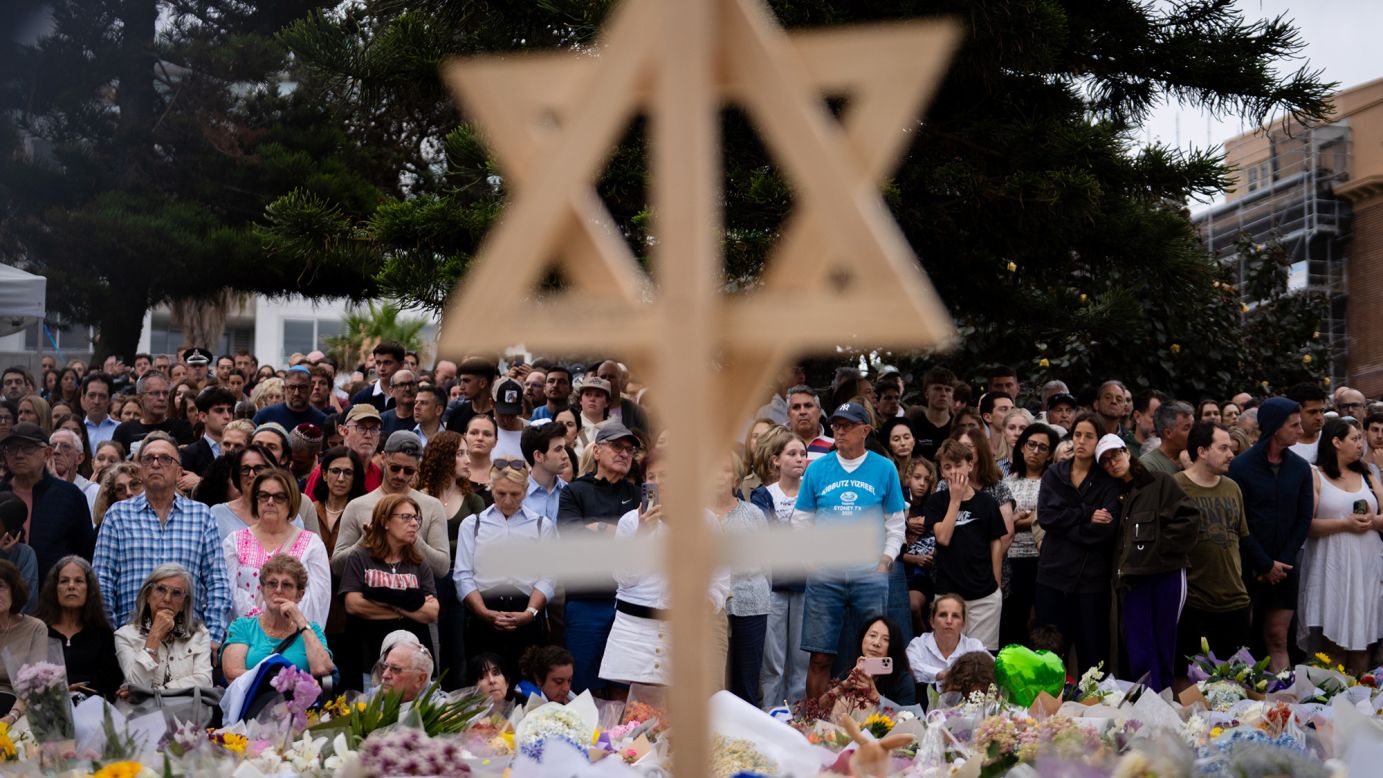
The Bondi Beach attack, involving father and son Sajid and Naveed Akram, represents a concerning new trend in mass shootings – a father-son led terror attack motivated by Islamic State ideology. Unlike typical lone-actor mass shootings, this attack highlighted the influence of family dynamics, particularly hierarchical relationships and normalized gun ownership, lowering the barrier to violence. Experts like James Densley emphasize that family members involved in such attacks exhibit different risk factors, relying on shared trust, routines, and reduced social friction. The case underscores the importance of familial control over resources like weapons and the potential for “legitimizing” violence within a family environment. Authorities are now considering increased penalties for hate speech and radicalization of youth, acknowledging the need to address the systemic factors contributing to these events, particularly concerning access to firearms and the potential for familial influence.
0 коментара
Остави коментар



Scroll to Top