#Бременност
South Korea Births
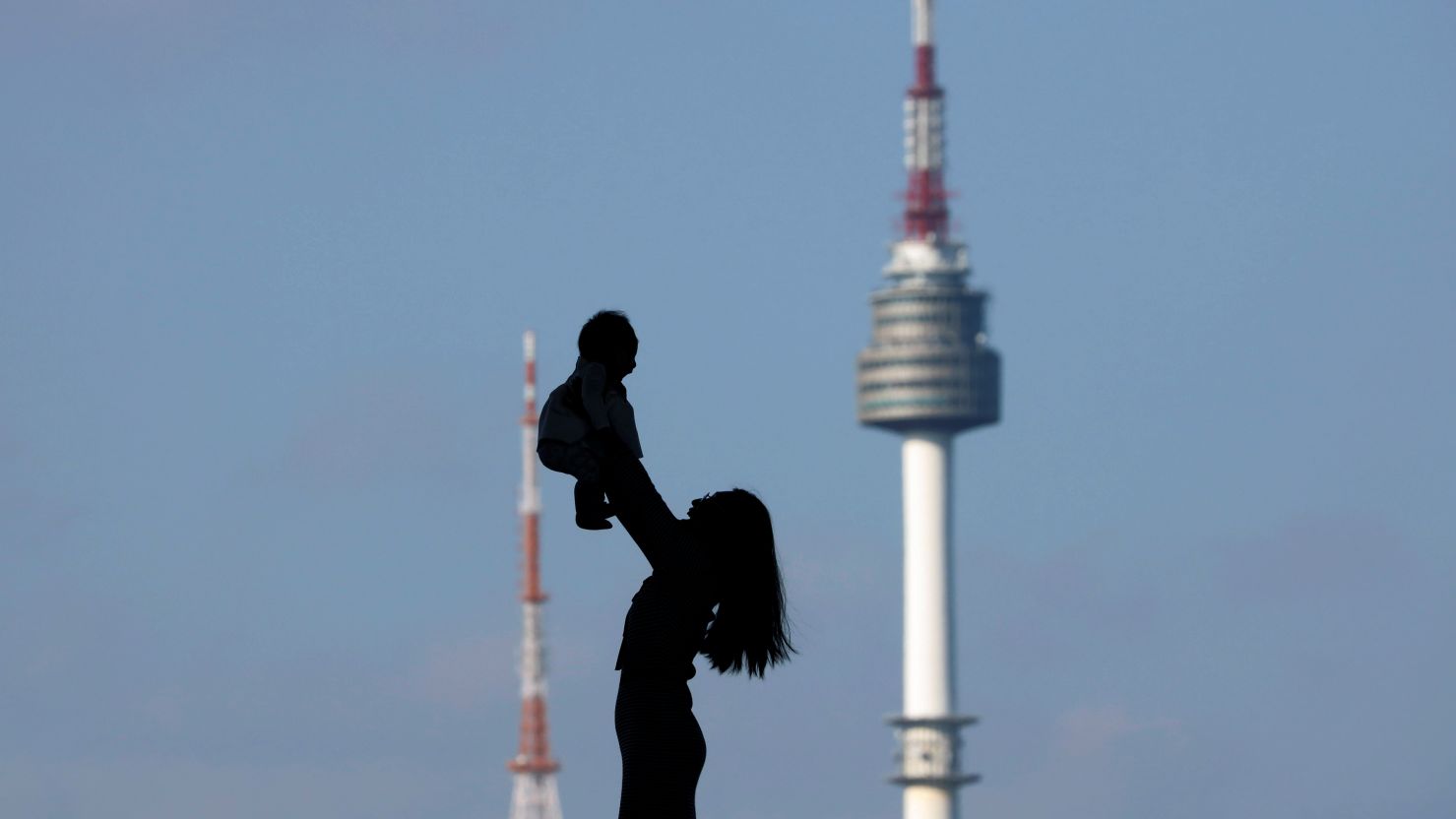
South Korea’s baby birth rate has unexpectedly risen for the first time in years, spurred by delayed marriages after Covid and a larger generation of women in their prime childbearing years. Despite government subsidies and support programs, young parents like Yun So-yeon and Park Ha-yan cite challenges such as high living costs, demanding work cultures, ingrained gender norms, and competitive education systems as major obstacles. Experts caution that this increase may be temporary, highlighting persistent structural issues like restrictive attitudes toward single mothers and the country’s ultra-low fertility rate, currently the lowest globally. While government initiatives have shifted company attitudes toward parental leave, deeper societal changes are needed to ensure a sustainable increase in births, otherwise the current trend may be short-lived, mirroring similar declines seen in other countries.
0 коментара
Остави коментар
Scroll to Top